
How Data Centers Impact Commercial Real Estate Investments
How Do Data Centers Affect Commercial Real Estate?
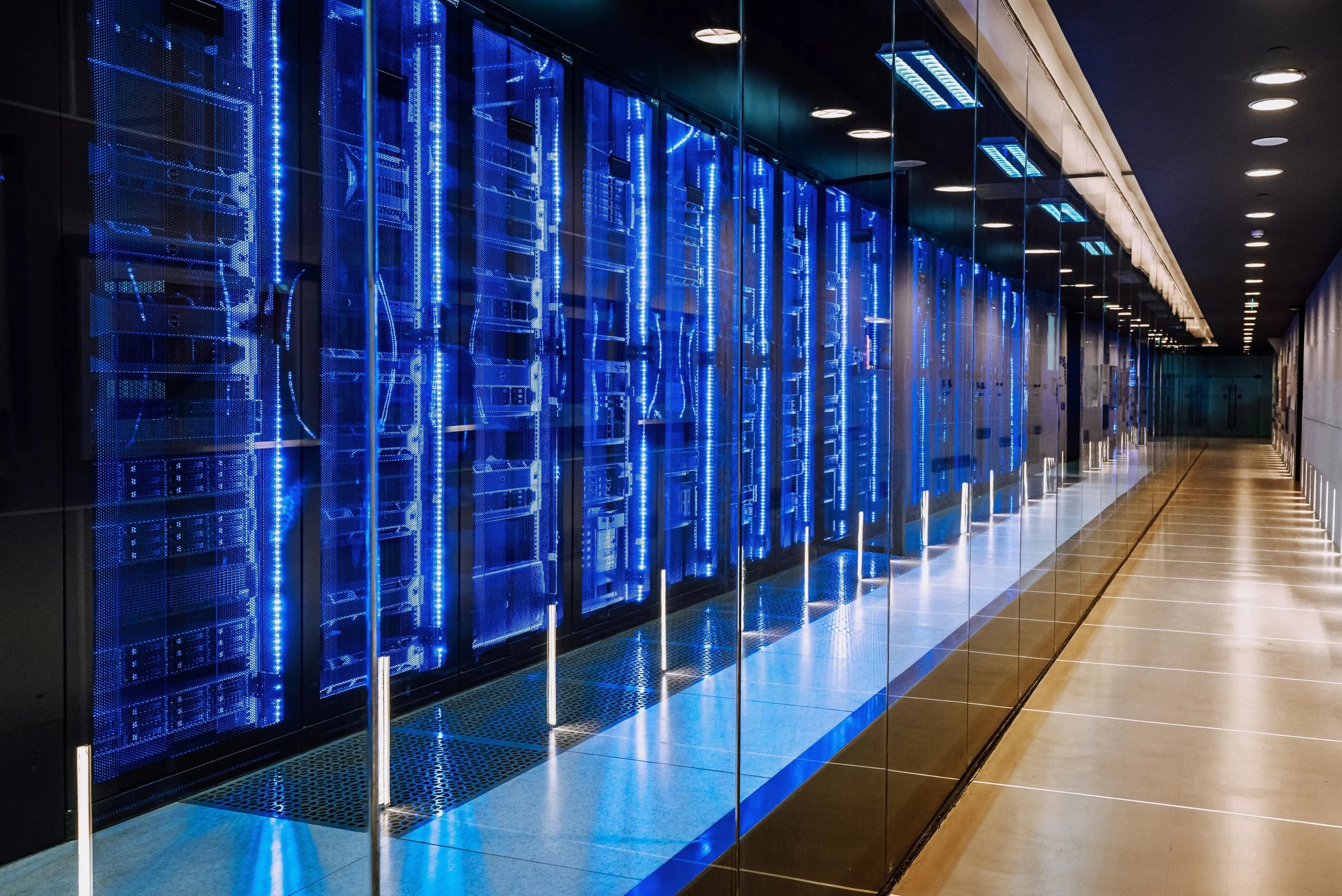
A data center can generate significant economic activity and infrastructure investment—not only during its construction and operation, but also through the businesses that support it. New facilities may increase demand for industrial space, contractors, restaurants, hotels, service businesses, and development land.
According to 2026 research from the National Association of REALTORS®, 50% of surveyed REALTORS® reported increased commercial property values near data centers, while 42% reported greater demand for nearby commercial space. Industrial properties and land were among the property types most frequently identified as benefiting.
For investors, this creates a potential opportunity to identify properties that could benefit from the growth of a new data-center corridor.
Industrial Real Estate May Benefit
Industrial real estate investors should pay particular attention to data-center development.
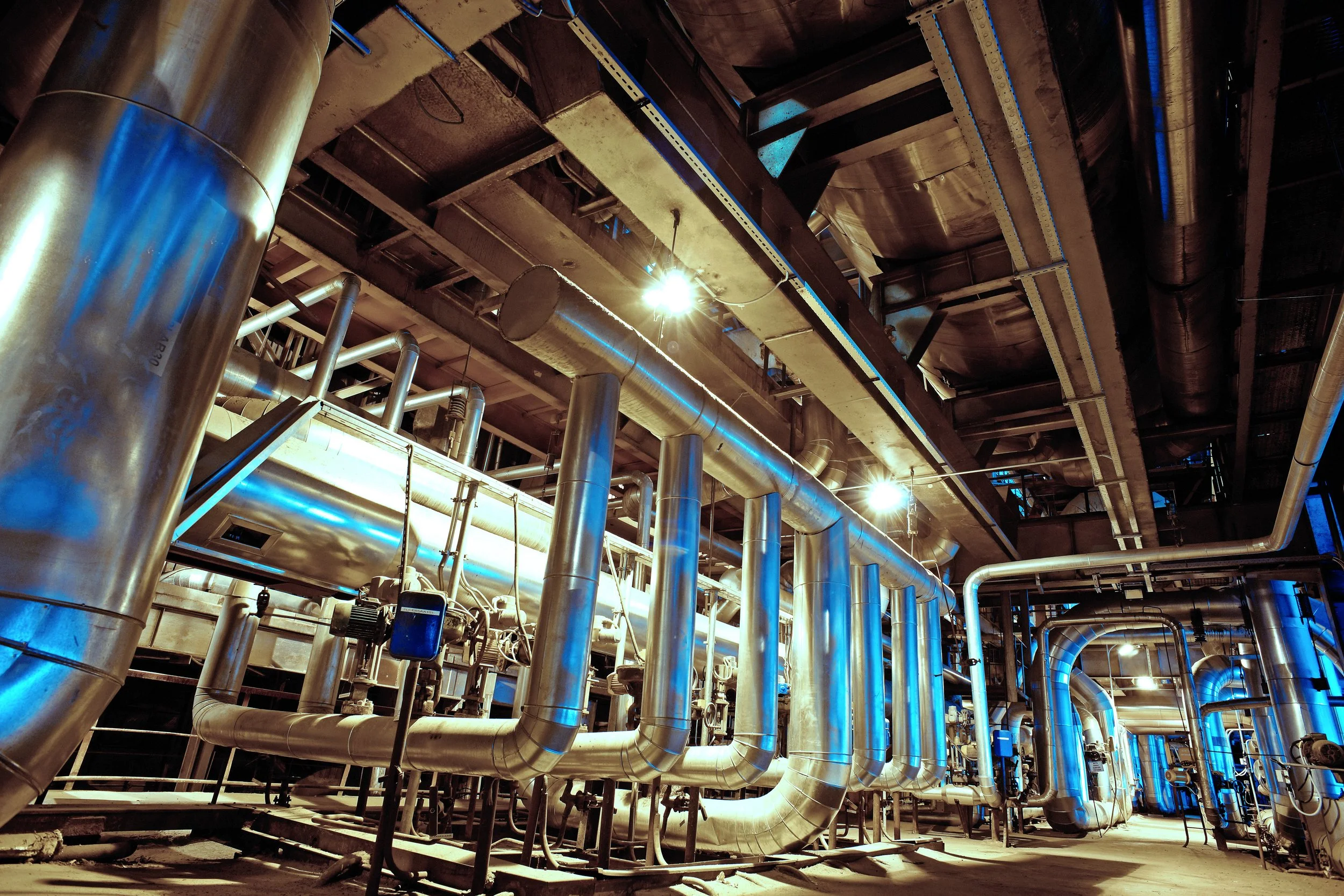
Data centers require substantial power, fiber connectivity, transportation access, and supporting infrastructure. Improvements to these systems could make surrounding industrial properties more attractive.
A previously overlooked parcel could become more valuable if it gains improved infrastructure or becomes strategically located within a technology, logistics, or utility corridor.
However, proximity alone does not guarantee an increase in value. Zoning, available power, fiber connectivity, parcel size, access, environmental restrictions, and development potential must all be evaluated.
The Potential Downside of Being Too Close
The investment equation can change when a property is immediately adjacent to a large data center.
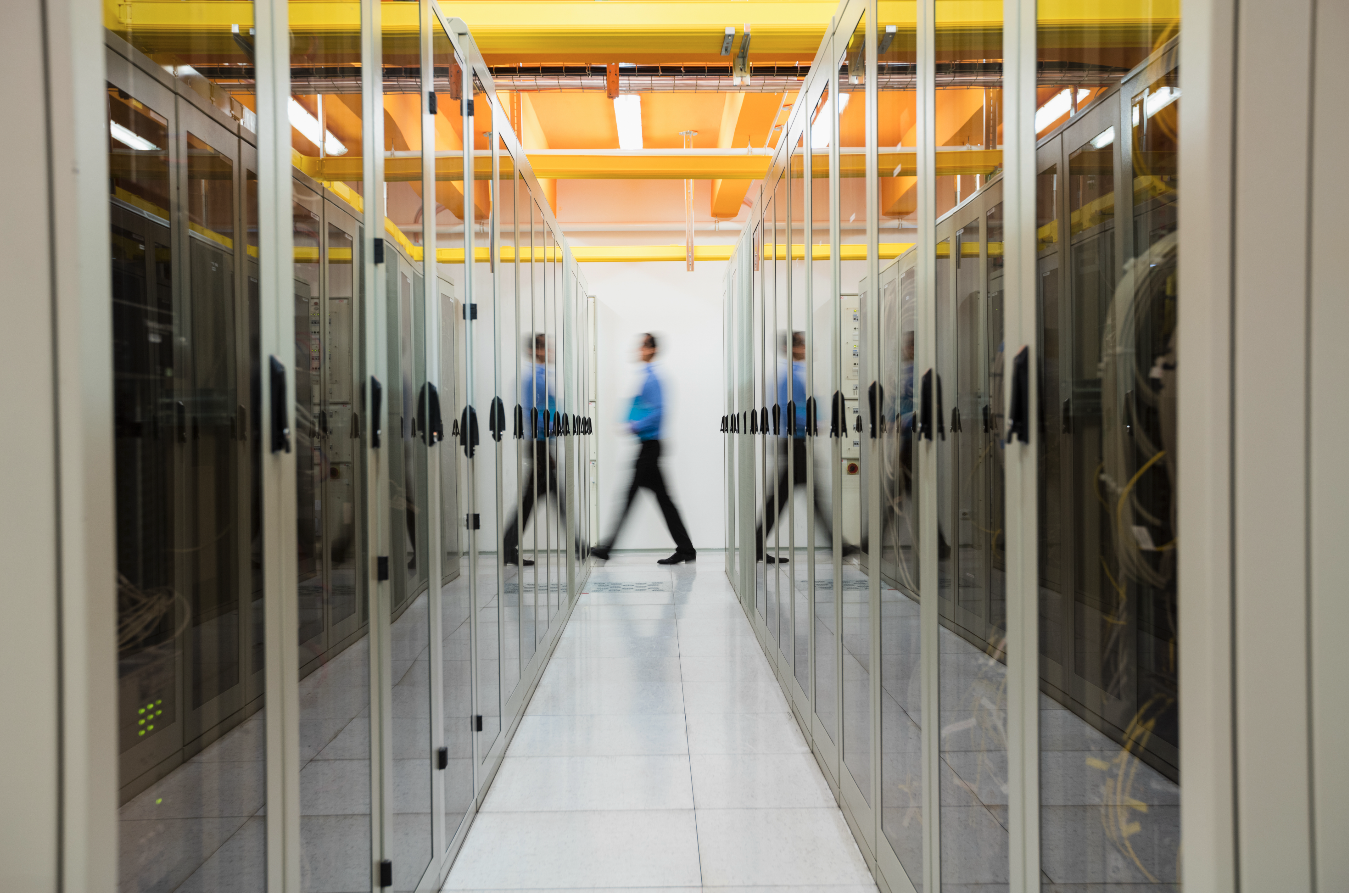
These facilities can include extensive cooling equipment, substations, backup generators, security systems, and large buildings. Potential concerns include:
Noise and generator testing
Construction activity
Increased truck traffic
Visual impacts
Utility costs
Changes to surrounding land uses
Concerns regarding water and energy consumption
These factors could affect tenant demand and a property’s marketability.
Investors should therefore distinguish between being near a data center and being next to one. Those can represent very different investment opportunities.

Distance Matters
The distance between a property and a data center should be incorporated into the investment analysis.
A property directly adjacent to a facility may experience noise, traffic, and visual impacts that a property several miles away does not. Conversely, a property located within the broader development corridor may benefit from new infrastructure and economic activity without experiencing the same negative externalities.
A 2026 study by researchers affiliated with UC Berkeley and Harvard found an estimated decline in nearby housing values following large data-center announcements, with the estimated effect being greater within one mile than within three miles. The researchers also found that the impacts varied based on factors such as facility size and location.
Because this research concerns residential properties, investors should not automatically apply its findings to industrial, office, retail, or multifamily assets. However, it reinforces an important commercial real estate principle:
Proximity matters.

Infrastructure Could Be the Hidden Opportunity
One of the most important considerations may not be the data center itself, but the infrastructure required to support it.
Large facilities can require significant investments in:
Electrical transmission and substations
Fiber networks
Roads
Water and sewer systems
Telecommunications
Natural gas infrastructure
If these improvements also benefit surrounding properties, they could increase development potential and land values.
Investors should ask:
What infrastructure is being built for the data center, and who else will benefit from it?
That question can reveal opportunities that may not be immediately obvious.
What About Utility Costs?
Energy consumption is another issue investors should monitor.
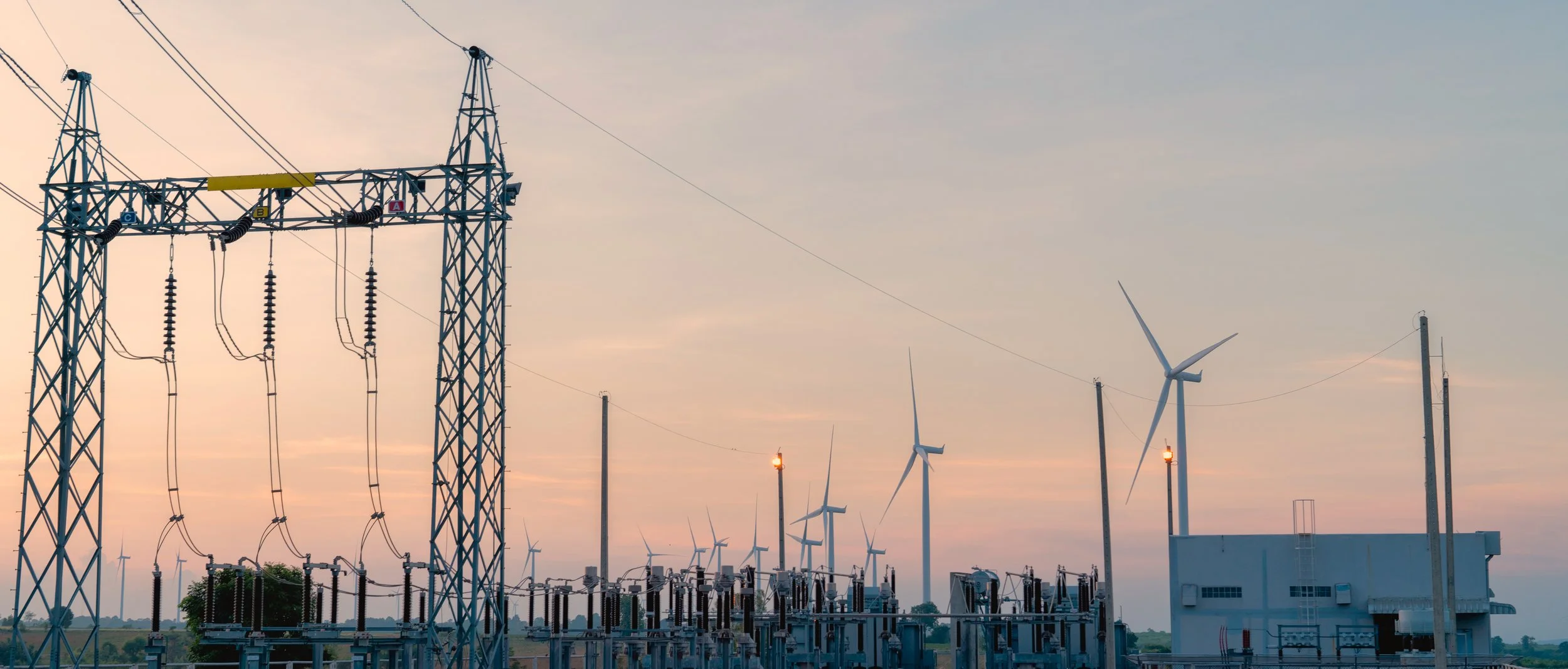
Data centers can require enormous amounts of electricity, potentially creating demand for additional utility infrastructure and raising questions about future operating costs.
For commercial property investors, changes in utility expenses can directly affect:
Operating Expenses → Net Operating Income → Property Value → Investment Returns
Properties with significant electricity consumption deserve particular attention during underwriting.

CRE Due Diligence Near a Data Center
Before purchasing a property near a proposed or existing data center, investors should evaluate:
Distance: How close is the property to the facility?
Size: Is it a small facility or a large hyperscale campus?
Future phases: Is additional development planned?
Infrastructure: What power, fiber, roads, and utilities are being added?
Zoning: Could surrounding properties experience future land-use changes?
Noise: Are there studies addressing mechanical equipment and generators?
Tenant demand: Will the development create demand for the property’s specific use?
Utilities: Could electricity or other operating costs change?
Comparable sales: How have similar properties performed near data centers?
Future value: Has the market already priced the anticipated benefits or risks into the property?

The Investment Takeaway
Data centers are becoming an increasingly important consideration in commercial real estate investment analysis.
They can create new demand, attract infrastructure investment, increase employment, and transform previously overlooked areas into important industrial and technology corridors.
However, proximity can also introduce risks.
For CRE investors, the opportunity is not simply identifying where data centers are being built. It is understanding what those developments will change around them.
An effective analysis should consider power, fiber, transportation, zoning, land availability, tenant demand, utility costs, infrastructure investment, and competing land uses. Working with an experienced commercial real estate professional who understands the area and its infrastructure can help investors evaluate the overall impact.
As artificial intelligence and cloud computing continue to expand, data-center development could become an increasingly significant influence on commercial real estate markets.
The key question for investors is not simply whether a data center is good or bad for real estate. It is which properties stand to benefit, which may face challenges, and whether the market has already priced those effects into the investment.