
Is Retail Real Estate in Los Angeles Recovering in 2026?
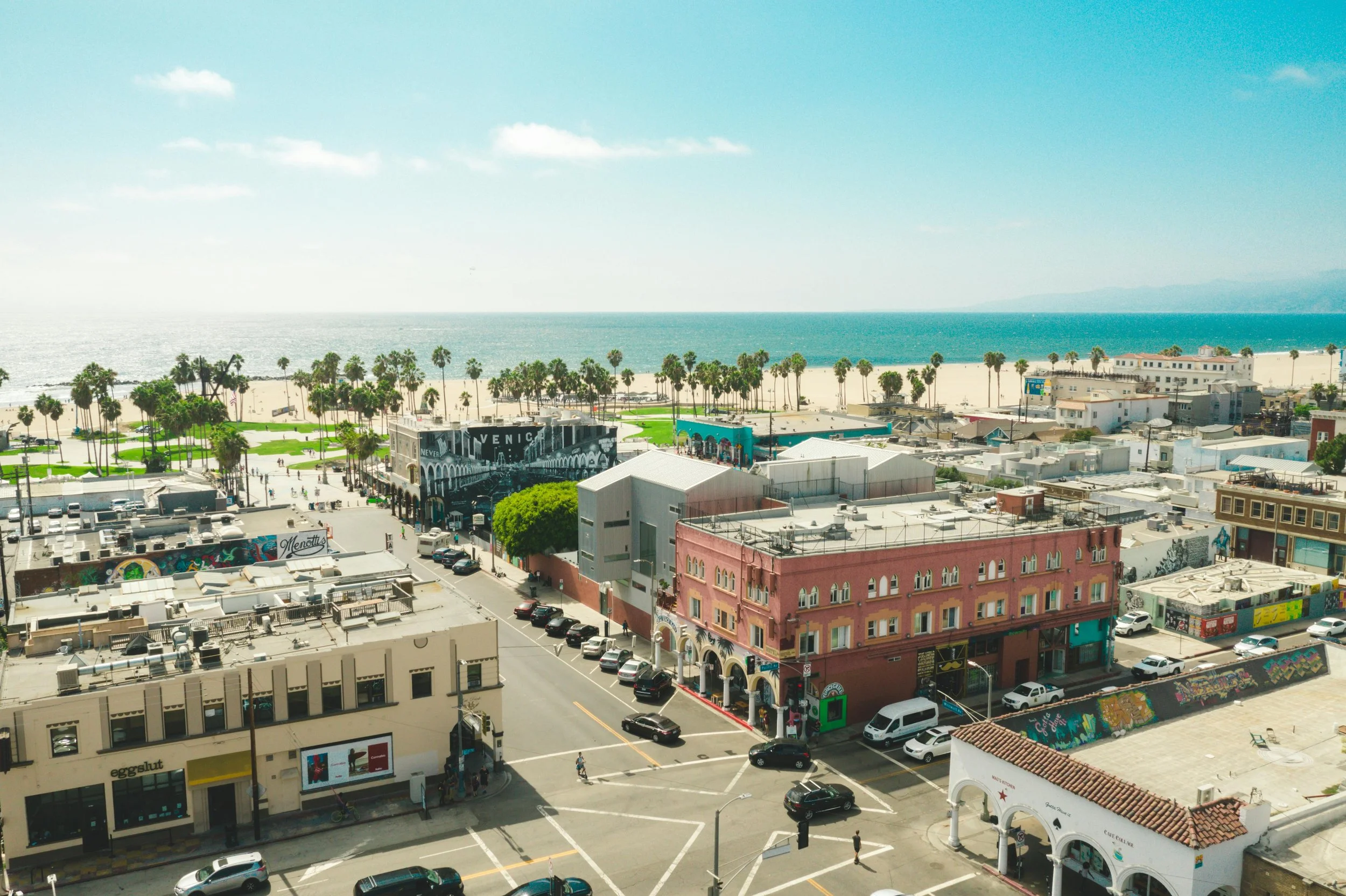
What is the outlook for retail real estate in Los Angeles in 2026?
Retail real estate in Los Angeles is no longer in free fall, but it is also not experiencing a broad, decisive recovery as of early 2026. The market is stabilizing unevenly, with improvement concentrated in specific property types and locations, while other areas continue to work through elevated vacancies and pricing resets. For owners, investors, and tenants, the story of LA retail today is one of selectivity rather than momentum.
Current Fundamentals
Across Los Angeles County, retail vacancy remains near the upper end of the current cycle, hovering in the mid-6 percent range. This reflects a prolonged period of slower leasing activity following the pandemic, combined with tenants becoming more deliberate about space decisions. While vacancy has stopped accelerating, it has not yet compressed in a meaningful way across the broader market.
Rents tell a similar story. Asking rates have generally flattened or declined modestly on a year-over-year basis, with performance varying widely by submarket. Some corridors have managed to hold pricing, while others continue to adjust downward to attract tenants. Notably, new retail construction remains extremely limited, representing only a fraction of existing inventory. As a result, the market is correcting not through new supply but through redevelopment, adaptive reuse, and the gradual absorption of existing space.
Signs of Improvement Beneath the Surface
Despite lingering softness, several indicators suggest the market is slowly repairing itself. Net absorption remains negative, but the pace of move-outs has slowed compared with 2023 and 2024, signaling that leasing activity is beginning to catch up. Investment sales activity also picked up meaningfully in 2025, reflecting renewed interest from buyers who see value after pricing corrections.
On the ground, tenant demand is clearly present in the right locations. Boutique and experiential corridors such as Melrose Avenue and La Cienega Boulevard, along with newer lifestyle and well-designed neighborhood centers, are seeing active leasing and healthy foot traffic. These areas benefit from strong demographics, destination appeal, and a retail mix that aligns with evolving consumer behavior.
Where Recovery Is Strongest
The most resilient segment of the Los Angeles retail market heading into 2026 is grocery-anchored and necessity-based retail in dense, infill locations. These properties continue to post relatively stable occupancy and remain highly attractive to investors seeking defensive cash flow. Daily-needs retail has proven far less sensitive to economic volatility than discretionary formats, and that trend remains intact.
Suburban and valley submarkets are also outperforming the urban core. Areas such as the San Fernando Valley, San Gabriel Valley, Santa Clarita, and the Antelope Valley are showing vacancy rates closer to long-term norms, with pockets of modest rent growth. These locations often benefit from lower operating costs, easier parking, and a stronger connection to local consumer demand.
Experiential retail is another bright spot. Pop-up concepts, food-driven tenants, and story-based retail formats are gaining traction in high-traffic environments where shopping is tied to entertainment and social activity rather than pure convenience.
Ongoing Headwinds
Not all parts of Los Angeles retail are sharing in this stabilization. Urban cores, including Downtown Los Angeles, as well as certain coastal markets such as Santa Monica and parts of West Los Angeles, continue to struggle relative to pre-pandemic levels. Vacancies remain elevated, rents are under pressure, and landlord concessions are still common.
Across many submarkets, pricing has reset from recent peaks. Sale prices per square foot have adjusted downward, and landlords are often prioritizing occupancy over headline rent. Looking ahead, forecasts through 2026 point to muted overall demand growth, with performance increasingly determined by asset quality, tenant mix, and precise location rather than market-wide trends.
What This Means for 2026 in Los Angeles
Los Angeles retail is firmly in a slow repair phase. Fundamentals are improving compared with the lows of 2023 and 2024, and investor interest is returning selectively, but the market has not yet regained its prior strength. For high-quality, well-located grocery-anchored and neighborhood centers, 2026 is likely to feel like a genuine recovery year. For older, commodity strip centers or challenged urban corridors, progress will likely remain gradual and operationally demanding.
Success in this environment depends less on broad market timing and more on choosing the right assets and locations. Owners and investors who focus on necessity retail, strong demographics, and thoughtful positioning are best positioned to benefit as Los Angeles retail continues its uneven but measurable path forward.
Looking to sell, purchase, or lease retail real estate properties in Los Angeles in 2026? Reach out to Commercial Brokers International today at 310-943-8530 or info@cbicommercial.com.