
Commercial Real Estate Quarterly Market Update
Los Angeles Market Report | Q2 2026
By George Pino, CEO of Commercial Brokers International

The Los Angeles commercial real estate market continued its gradual recovery during the second quarter of 2026, although performance remains highly segmented across asset classes.
Investor activity continues to increase as pricing stabilizes and financing markets improve. At the same time, tenants remain highly selective, favoring well-located, high-quality assets with modern amenities.
Industrial continues to lead the market, retail fundamentals remain stronger than expected, multifamily continues to demonstrate resilience, and the office sector is slowly improving despite elevated vacancy levels.
Here's a closer look at where the market stands today.

Office Market
A Recovery That Depends on Asset Quality
The Los Angeles office market continues to recover—but not evenly.
Leasing activity has improved compared to 2025 as more companies become comfortable committing to longer lease terms. However, the market remains divided between premium office buildings and older commodity assets.
Trophy and Class A office properties located near transit, entertainment, and lifestyle amenities continue to outperform the rest of the market.
Meanwhile, many older Class B and Class C office buildings remain under pressure due to hybrid work trends, aging infrastructure, and rising capital improvement costs.
The dominant leasing trend remains clear:
Companies continue to prioritize quality over quantity.
Property owners are responding by investing heavily in amenity upgrades, speculative office suites, and tenant experience improvements to remain competitive.
Although overall vacancy remains historically elevated, portions of the Los Angeles office market have begun reporting positive leasing momentum and improving net absorption.

Market Outlook
Certain office sectors continue to outperform.
Medical office properties and specialized office assets remain in steady demand due to their long-term tenant stability.
At the same time, adaptive reuse continues gaining attention throughout Southern California. Recent transactions in Santa Monica demonstrate increasing interest in converting obsolete office buildings into private schools, apartments, and alternative commercial uses.
Another trend expected to shape the market over the next 12 to 24 months is distressed refinancing.
As existing office loans mature, owners facing refinancing challenges may create attractive acquisition opportunities for well-capitalized investors.

Industrial Market
Southern California's Strongest Institutional Asset
Industrial fundamentals remain among the healthiest in both Southern California and the United States.
After vacancy increased during the past two years, market conditions have begun stabilizing as leasing activity improves.
New industrial construction has slowed considerably due to rising construction costs and tighter financing conditions.
With fewer new projects entering the market and tenant demand remaining healthy, existing inventory continues becoming more valuable.
Port-related logistics remain a major long-term demand driver despite softer import volumes.
As construction slows, landlords are beginning to regain negotiating leverage in select submarkets, resulting in modest increases in both rental rates and pricing.
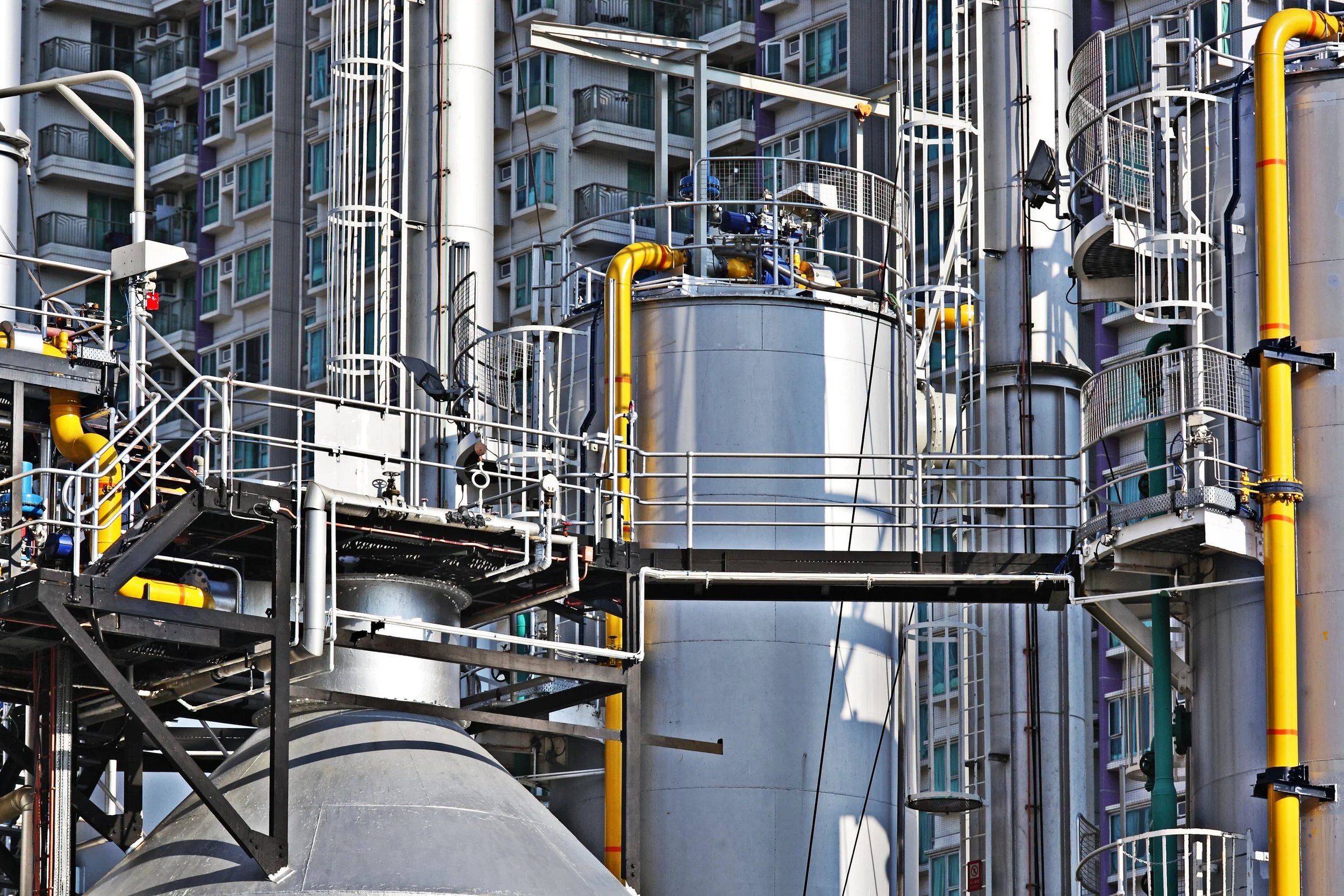
Why Investors Continue Favoring Industrial
Industrial remains one of Los Angeles' most sought-after investment sectors because of several long-term advantages:
Limited developable land
High replacement costs
Strong logistics demand
Stable institutional investment interest
For many investors, industrial continues to offer one of the strongest long-term risk-adjusted opportunities available.
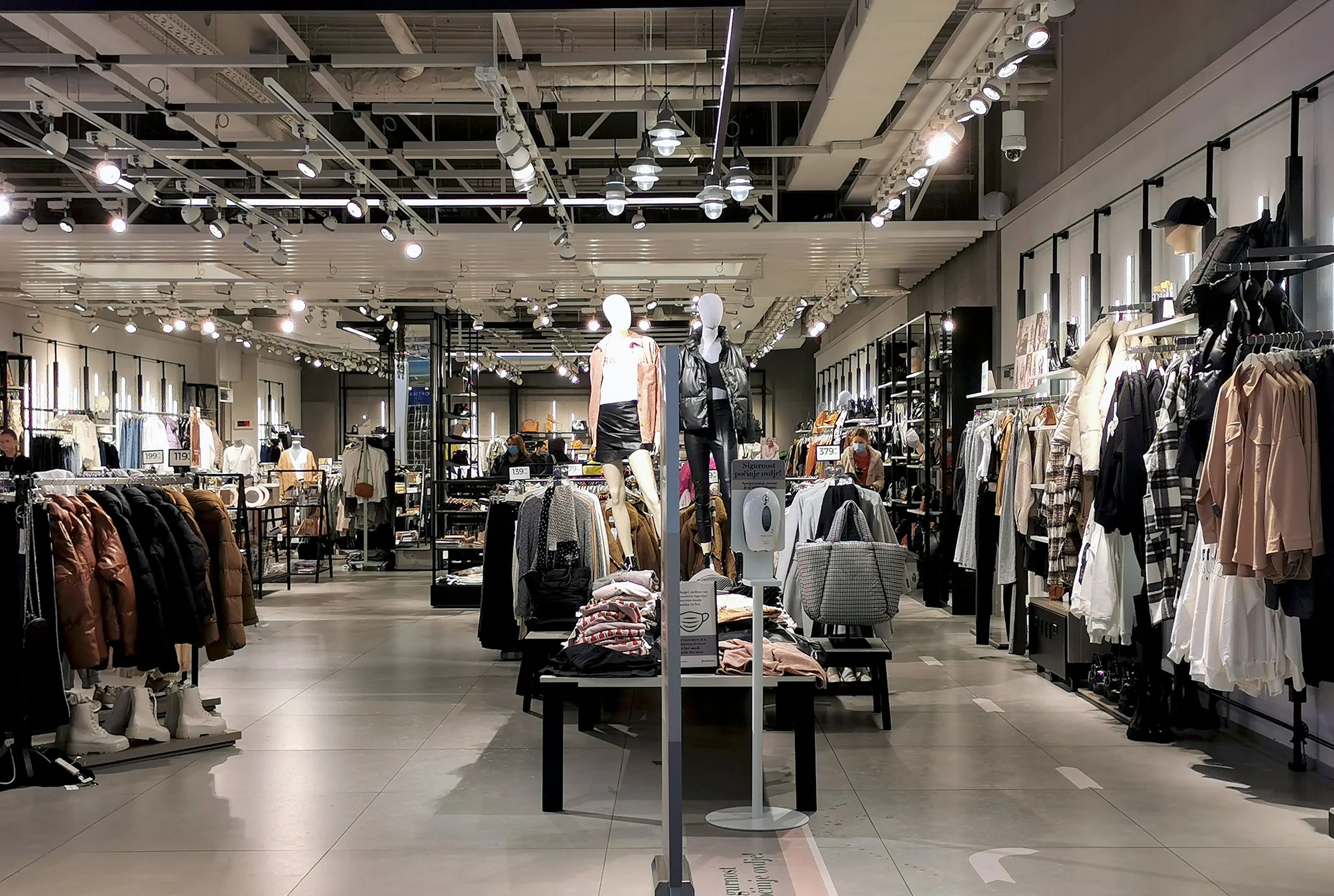
Retail Market
One of Los Angeles' Strongest Performing Asset Classes
Retail continues outperforming expectations across much of the Los Angeles market.
Neighborhood shopping centers remain highly occupied, while demand continues growing from several expanding tenant categories.
Current demand remains particularly strong among:
Restaurants
Boutique fitness operators
Medical users
Experiential retailers
Veterinary clinics
Med spas
Discount retailers
Construction activity remains historically low, limiting new competition and increasing demand for existing retail inventory.
As a result, well-located grocery-anchored and neighborhood centers continue commanding premium pricing.
Although asking rents have remained relatively stable, vacancy continues to sit near historic lows.
One notable trend is the continued expansion of health and wellness tenants, which are absorbing more retail space across Los Angeles than historically typical.
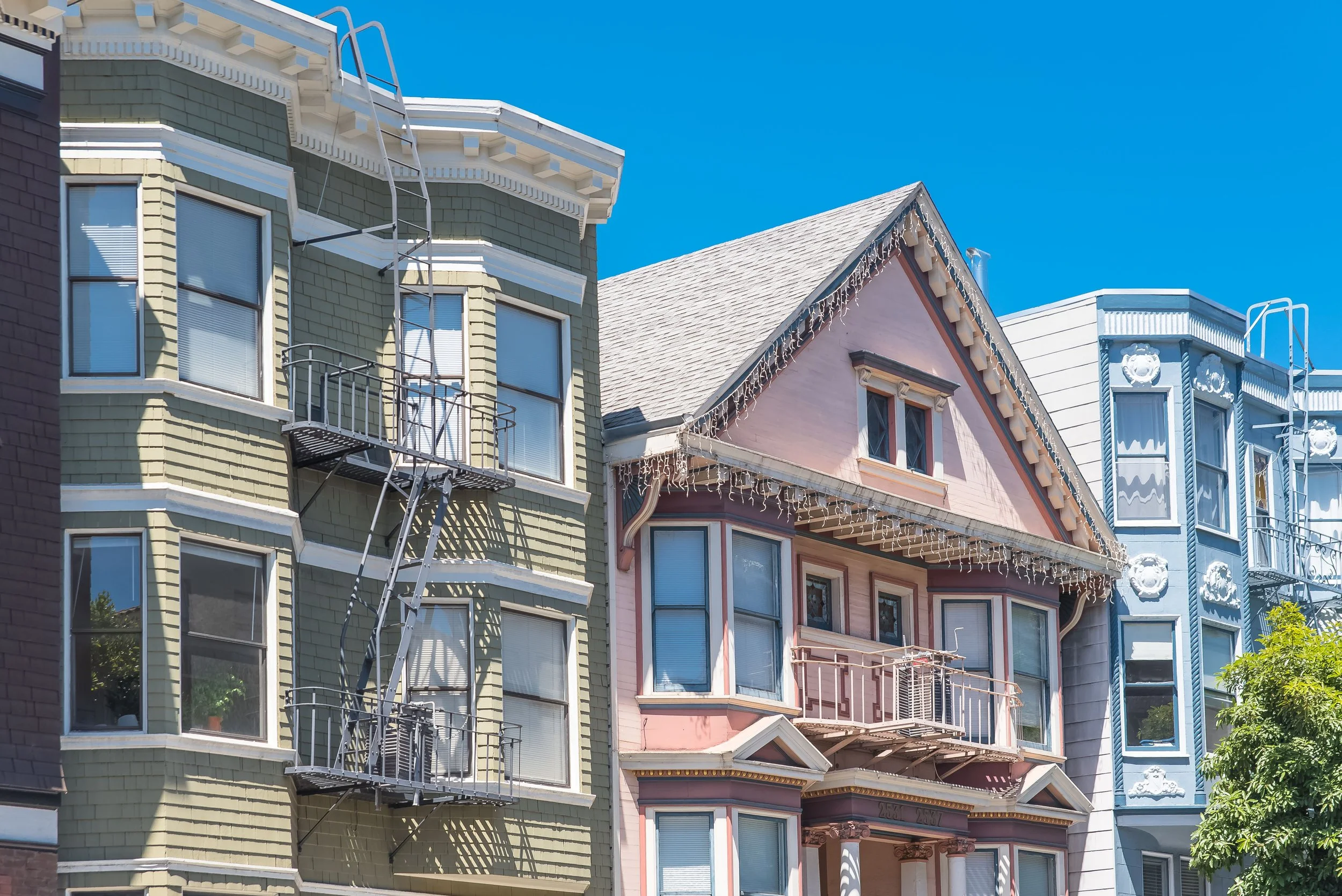
Multifamily Market
Stable Fundamentals Despite Affordability Challenges
Apartment fundamentals remain stable throughout much of the Los Angeles region.
Vacancy continues holding near the mid-five percent range, while rent growth has moderated compared to previous years.
Construction deliveries have slowed in several submarkets, which should help strengthen occupancy and rental growth moving forward.
Average asking rents remain near record levels, although landlords are offering concessions more frequently than during the market peak.
Investor demand also remains healthy, particularly for stabilized multifamily assets.
Investment Outlook
Long-term multifamily fundamentals remain favorable due to several structural advantages:
Persistent housing shortages
Limited new supply
High barriers to homeownership
Strong demographic demand
Transaction activity continues improving as buyers and sellers narrow pricing expectations.
Financing conditions have also become more favorable.
Additional lenders have re-entered the market, CMBS issuance continues increasing, and debt funds remain active.
At the same time, upcoming loan maturities continue creating acquisition opportunities for experienced investors.

Where We See Opportunity
Today's market continues creating opportunities for investors, owners, and tenants.
Investors should watch:
Value-add office acquisitions
Industrial properties with mark-to-market rent potential
Neighborhood retail centers
Medical office investments
Multifamily repositioning opportunities
Property owners should consider:
Refinancing before loan maturity whenever possible
Investing in tenant experience and property improvements
Prioritizing tenant retention
Evaluating adaptive reuse opportunities where appropriate
Tenants currently have leverage in:
Office lease negotiations
Tenant improvement allowances
Free rent packages
Expansion rights
Industrial and retail tenants, however, should expect considerably less negotiating leverage in high-demand submarkets where vacancy remains limited.

Risks to Watch
Several factors could influence market performance during the remainder of 2026.
Areas to monitor include:
Interest rate volatility
Office loan maturities
Construction cost inflation
Rising insurance costs
Tariff impacts on industrial occupiers
Measure ULA's continued influence on investment sales within the City of Los Angeles
Many economists continue forecasting additional interest rate increases during the second half of the year, making financing conditions one of the market's largest variables moving forward.
Looking Ahead
Q3–Q4 2026 Outlook
Overall market sentiment has become increasingly constructive.
Capital continues returning selectively, transaction volume is improving, and fundamentals remain strongest within industrial, retail, medical office, and multifamily assets.
The office market is expected to continue its gradual recovery, with Trophy and Class A buildings outperforming older commodity office properties that may require repositioning or recapitalization.
Assuming there is no significant economic disruption, the remainder of 2026 is expected to bring:
Increased transaction activity
Improving market liquidity
Continued investor confidence
Strong demand for premium assets
Ongoing divergence between high-quality properties and commodity buildings

The CBI Takeaway
The Los Angeles commercial real estate market continues moving in a positive direction, but success increasingly depends on asset selection and market positioning.
Industrial remains the market leader, retail continues exceeding expectations, multifamily fundamentals remain resilient, and office recovery is becoming more dependent on quality, location, and adaptive reuse strategies.
Whether you're an investor evaluating acquisition opportunities, an owner planning for refinancing, or a tenant negotiating your next lease, understanding today's market dynamics is critical to making informed real estate decisions.
Planning Your Next Expansion?
If you're considering buying, selling, leasing, or investing in commercial real estate throughout Southern California, Commercial Brokers International is here to help.
Contact our team today to discuss how current market conditions may create opportunities for your business or investment portfolio. Learn more at www.cbicommercial.com