
U.S. Multifamily Market 2025 Recap and 2026 Outlook
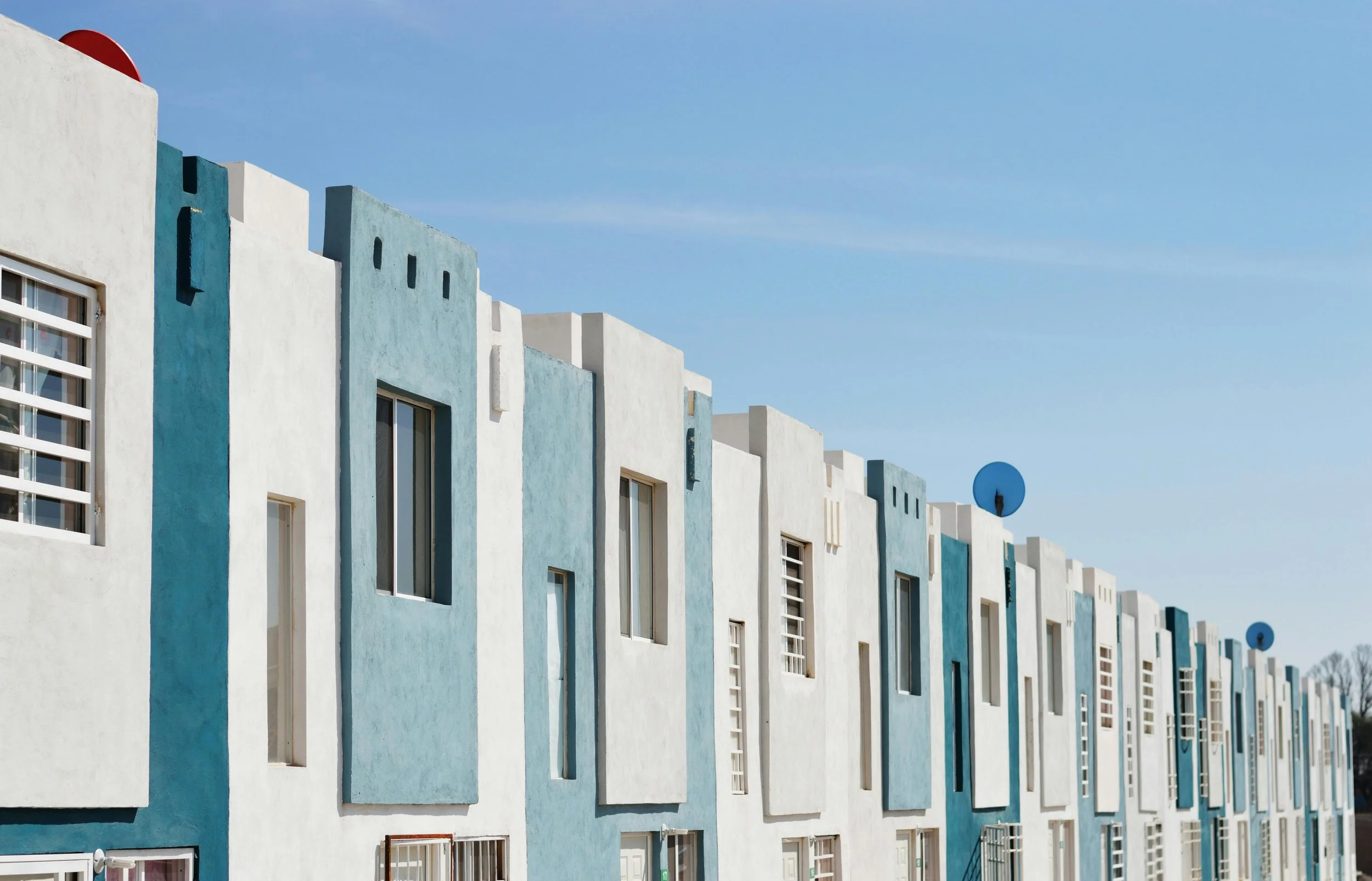
Here’s the recap and outlook for multifamily market
As 2025 comes to a close, the U.S. multifamily real estate market finds itself in a transitional but stabilizing phase. Following two years of turbulence—marked by inflation, interest rate hikes, and a wave of new supply—this past year was best described as “slow but steady.” Now, all eyes are on 2026 as owners, investors, and developers anticipate firmer footing and fresh opportunities across the sector.
2025 Recap: Fundamentals Hold, Supply Peaks, and Capital Returns
Despite early-year uncertainties, 2025 shaped up as a year of gradual improvement.
Rent Growth and Vacancy
National rent growth in 2025 hovered between 2% and 3%, a modest but positive showing as the market digested an unprecedented wave of new units. While this growth was far below the double-digit spikes seen in 2021–2022, it reflected resilient renter demand amid economic normalization.
Vacancy rates remained elevated, staying in the low- to mid-6% range nationally, hitting 7.2% - a record high - in November. This was largely due to the tail end of a supply surge, with the industry delivering an estimated 500,000 to 600,000 new units at the peak of this construction cycle—especially concentrated in Sun Belt and Mountain West metros.
Construction Trends and Development Slowdown
Though 2025 was still marked by high deliveries, new multifamily starts and permits slowed significantly compared to the frenzied pace of 2021–2022. Many developers found fewer deals penciling due to higher construction costs, tighter lending, and less aggressive rent forecasts. This slowdown in new starts set the stage for tighter conditions in 2026 and beyond.
Investment Sales Rebound
The capital markets showed renewed momentum in 2025. Multifamily transaction volumes rebounded compared to the prior 12 months, with total annual sales projected to be reaching the $370 billion to $380 billion range. Price discovery became easier as cap rates and investor expectations began to stabilize. Meanwhile, agency lenders like Fannie Mae and Freddie Mac continued to provide liquidity, helping total multifamily originations.
Challenges for Owners and Developers
For property owners, the leasing environment remained competitive, especially for new Class A products in overbuilt submarkets. Concessions became more common and lease-ups moved slower than prior years. Developers, on the other hand, faced tough decisions: with elevated land and construction costs, many future projects were postponed or canceled unless the submarket fundamentals remained particularly strong.
2026 Outlook: Less Supply, Better Demand, and a Healthier Market
Looking ahead, 2026 is widely expected to be a year of early recovery in the multifamily sector—especially as supply pressures ease and capital becomes more accessible.
Rent Growth and Vacancy Recovery
Most major forecasts expect national rent growth to inch up from the muted 2025 levels, with gains becoming more broad-based across markets and asset types. Vacancy is also projected to decline slightly, from around 8.2% at the end of 2025 to approximately 7.9% by year-end 2026, as the pace of new completions slows and net absorption improves.
Supply Relief and Pipeline Dynamics
After peaking in 2024–2025, new deliveries are expected to fall sharply—by as much as 60% compared to 2024 levels. However, some national data providers revised 2026 completions upward slightly due to a larger-than-expected construction pipeline already underway. As a result, markets that were heavily built-up in recent years (such as Austin, Nashville, and Colorado Springs) may continue to feel competitive pressure into early 2026.
Financing Environment and GSE Support
Capital availability is improving but remains cautious. The Federal Housing Finance Agency (FHFA) increased the multifamily loan purchase caps for Fannie Mae and Freddie Mac to $88 billion each for 2026—a 20% increase over 2025. This additional liquidity will be critical, especially with a wave of maturing multifamily debt originated in the low-rate era coming due. Agency executions are expected to be the preferred option, as banks and CMBS lenders continue to underwrite conservatively.
Regional Spotlight: Sun Belt and Mountain West Still Lead in Supply
The Sun Belt and Mountain West regions continue to dominate national supply growth, with cities like Austin, Charlotte, Raleigh-Durham, Nashville, and Colorado Springs leading in both deliveries and total inventory additions. These markets remain high-growth hubs, but the flood of new products has created a short-term oversupply that may take several more quarters to absorb.
Meanwhile, coastal gateway markets such as New York and San Francisco saw much more modest inventory growth in 2025, which could position them for relatively faster recovery in 2026 depending on local economic trends.
What to Keep in Mind
For Owners
2026 will likely feel incrementally more favorable than the prior two years. With fewer competing lease-ups and improving occupancy, rent growth may firm slightly—though landlords in oversupplied submarkets should still expect continued concessions and slower leasing velocity, particularly in luxury products.
For Investors
The landscape is cautiously optimistic. Higher GSE caps and a more stable pricing environment suggest more deal flow in 2026, particularly for well-located, stabilized assets. Meanwhile, developers with projects that pencil today may find themselves delivering into a tighter, higher-rent market in 2027–2028.
For Brokers and Advisors
This is a pivotal time to help clients refine their strategies. Whether it’s navigating loan maturities, evaluating acquisition opportunities, or repositioning underperforming assets, the key in 2026 will be local insight, creative financing, and long-term thinking.
If you're looking to reposition your multifamily portfolio, explore acquisition opportunities, or evaluate development strategies for 2026, our team at Commercial Brokers International is here to help. We combine market intelligence with national relationships to support smarter investment decisions at every stage of the cycle.
Email: info@cbicommercial.com
Phone: (323)337-2837