
Family-Focused Retail: How the Family Consumer Is Reshaping Commercial Real Estate
By George Pino, CEO of Commercial Brokers International
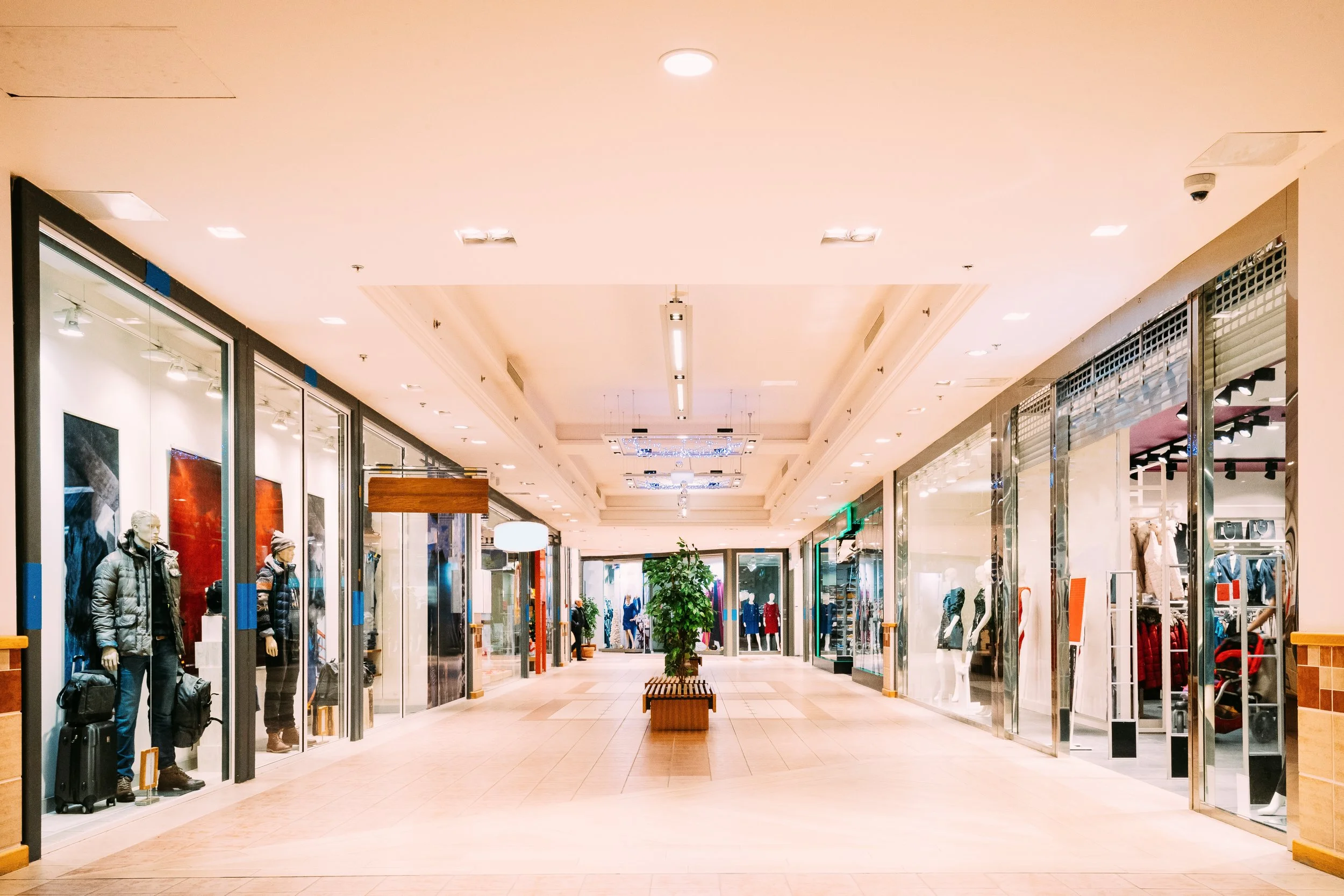
For years, retail development has largely been driven by location, demographics, household income, and traffic counts. Today, another factor is becoming increasingly important: how families use their time—and where they choose to spend it together.
Family-focused retail is emerging as a powerful force within commercial real estate.
Some surveys have shown a mean monthly spending of almost $500 on family-focused retail and experiences (excluding essential needs), and a median closer to $250 per month.
From restaurants and entertainment venues to youth sports, tutoring, healthcare, grocery, and experiential concepts, properties that cater to families can create stronger traffic patterns, longer customer visits, and greater cross-shopping opportunities.
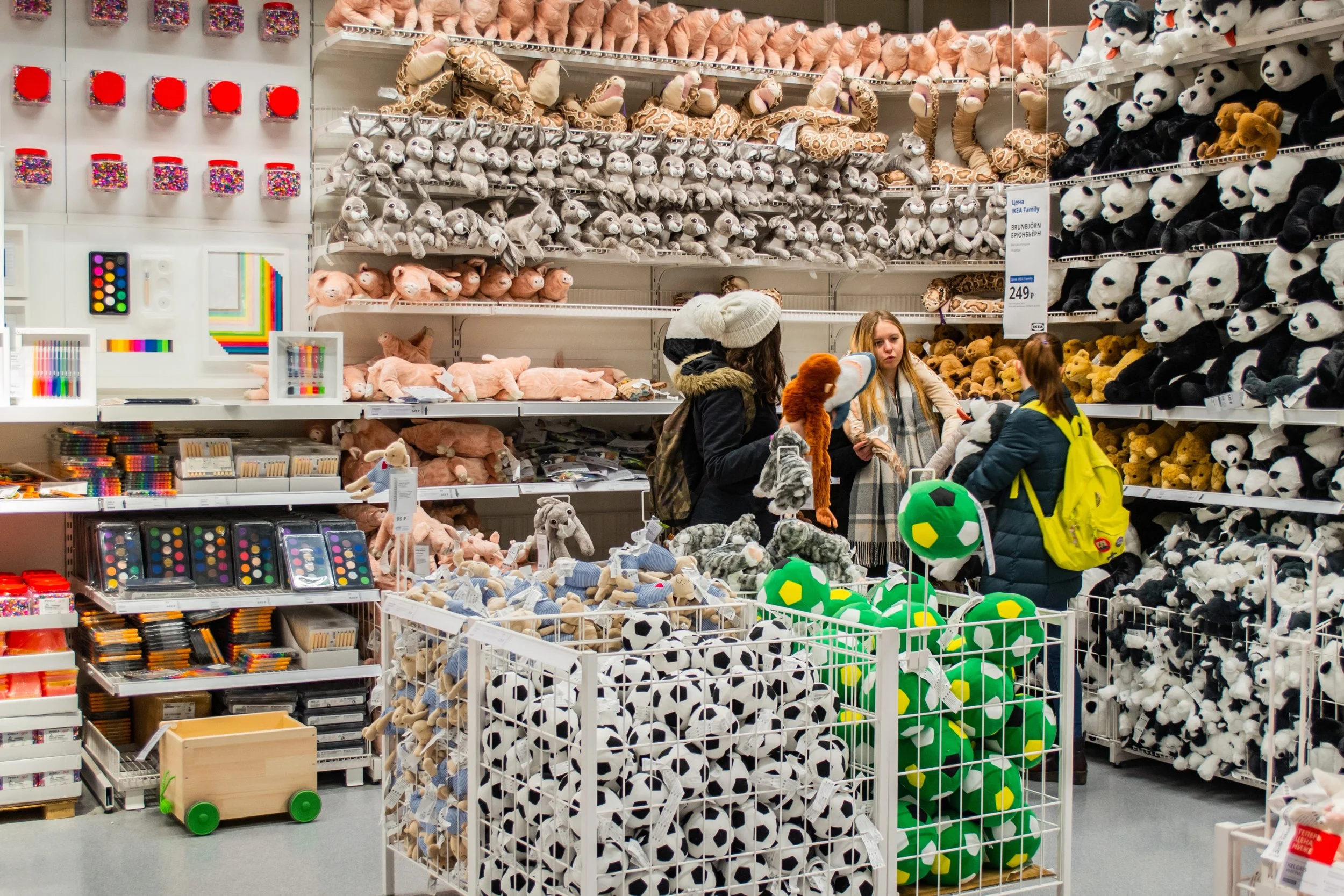
What Is Family-Focused Retail?
Family-focused retail goes beyond simply having a children's store or a playground at a shopping center. It encompasses businesses and environments designed around the needs, habits, and spending patterns of households with children.
Examples include:
Family-oriented restaurants and QSRs
Children's entertainment and indoor recreation
Youth sports facilities
Dance, gymnastics, and martial arts studios
Tutoring and educational services
Pediatric and family healthcare
Grocery and daily-needs retailers
Family entertainment centers
Toy, clothing, and children's specialty retailers
Fitness concepts designed for parents and children
Ice skating, bowling, trampoline, and similar experiential uses
The common denominator is that these businesses quite often become part of a family's routine, rather than simply being an occasional shopping destination, creating an automatic habit and repeat visits.

Why Families Matter to Retail Real Estate
Family households can generate some of the most predictable recurring traffic in a retail environment.
Consider the weekly schedule of a family with school-aged children: school drop-off, work, sports practice, tutoring, medical appointments, grocery shopping, dinner, and weekend activities.
Retail properties positioned around these routines can capture multiple visits from the same household throughout the week.
This creates an important distinction between transactional retail and routine-driven retail.
A customer may visit a traditional retailer once every few months. A family visiting a youth sports facility, pediatrician, tutoring center, or favorite restaurant may visit the same center several times a week, it becomes part of their daily/weekly routine.
That frequency can be extremely valuable to business owners and landlords.
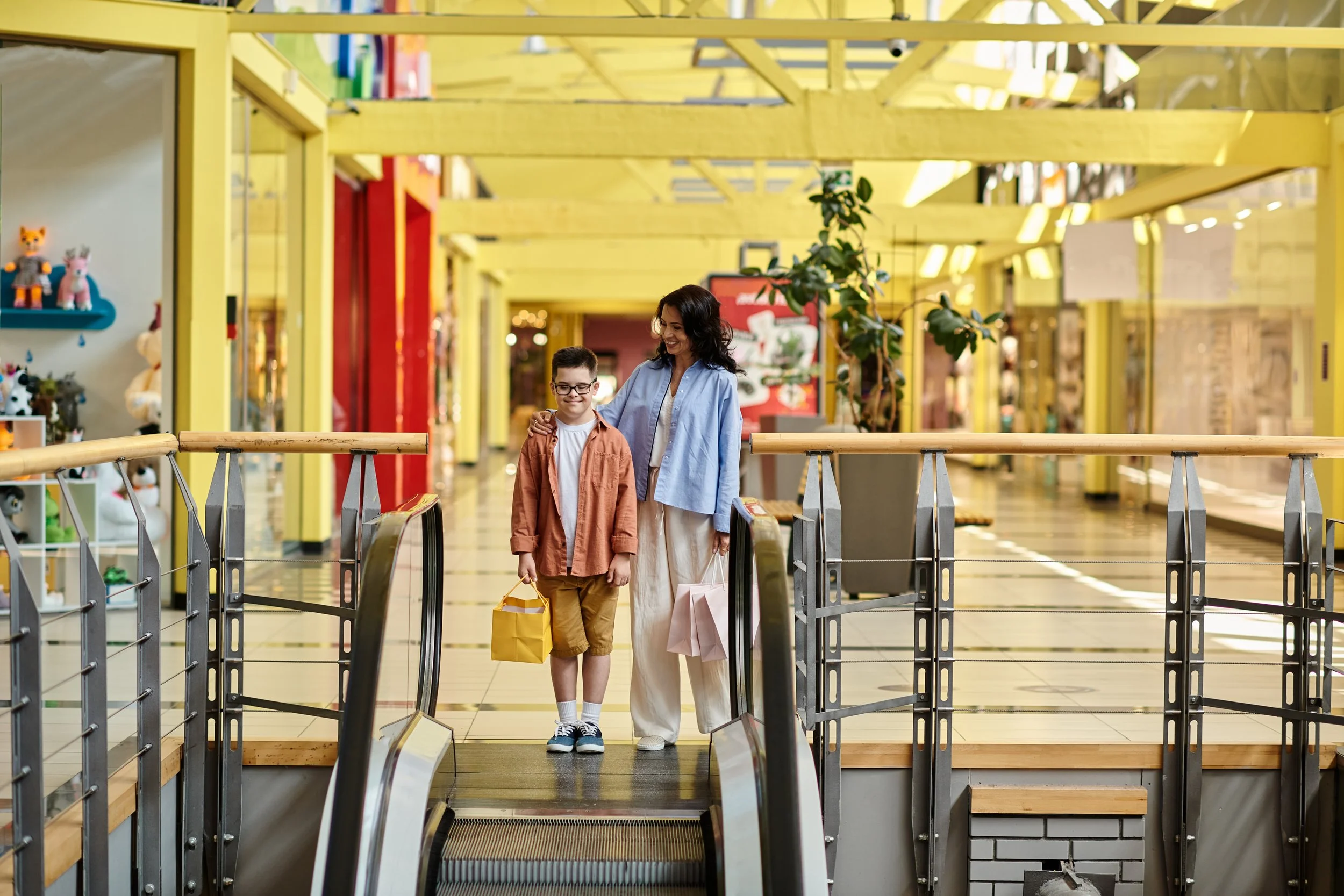
The Rise of the "Third Place"
Families increasingly want destinations that create efficiencies, where they can accomplish multiple things during the same trip.
A shopping center anchored by a grocery store, children's activity, restaurant, coffee shop, and service businesses can become more than a collection of tenants.
It becomes a family hub.
For example, a parent may take a child to martial arts practice, grab dinner afterward, pick up groceries, and stop for coffee—all within the same retail node.
This creates significant opportunities for co-tenancy and cross-shopping.
The presence of one strong family-oriented tenant can make a property more attractive to complementary retailers. A children's entertainment concept may drive traffic that benefits restaurants. A grocery anchor can benefit quick-service restaurants. A youth sports facility can generate traffic during otherwise underutilized evening and weekend periods.
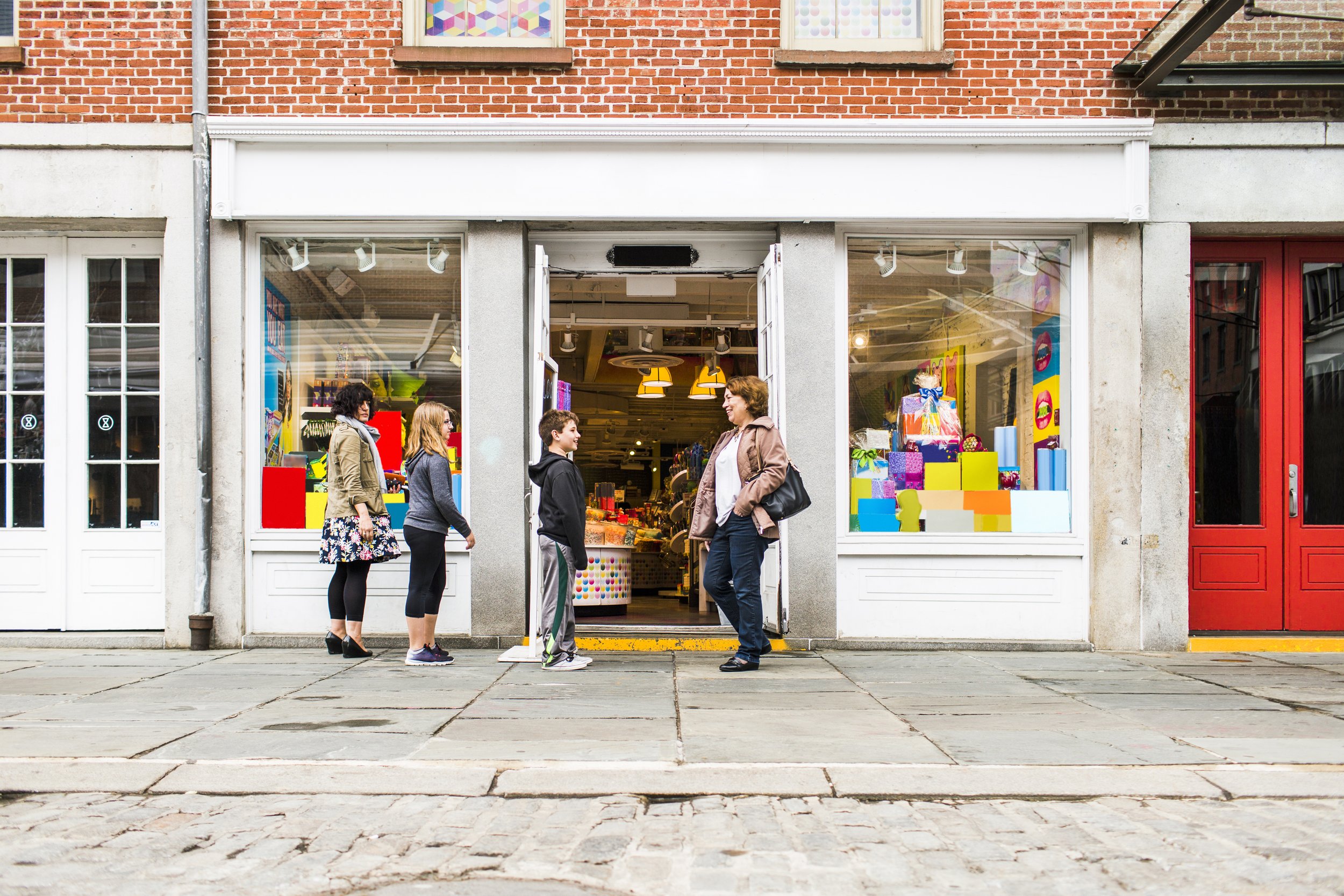
Family-Focused Retail Can Change How Retailers Evaluate Locations
Traditional site selection often emphasizes population density, household income, traffic counts, visibility, and demographics.
Family-oriented concepts may need to go further.
Important metrics can include:
Households with children: The number and concentration of families may be more meaningful than total population.
School proximity: Elementary, middle, and high schools can create recurring traffic patterns and influence where parents travel.
Youth participation: The concentration of sports leagues, recreation programs, dance schools, and other activities can indicate demand.
Household income: Families often generate substantial spending across food, entertainment, education, healthcare, and services.
Drive times: Parents frequently organize their lives around short trips between school, home, work, and activities.
Parking: Adequate, convenient parking becomes particularly important when parents are transporting children, carrying equipment, or making multiple stops.
Traffic patterns: A property that sits along a family's daily route can be more valuable than one with higher raw traffic counts but less convenient access.

Implications for Landlords
For landlords, family-focused retail can provide an opportunity to build a more resilient tenant mix.
The objective should not necessarily be to make every tenant "family-oriented." Instead, landlords can create an ecosystem where different uses support one another.
A center might combine:
Daily needs: Grocery, pharmacy, medical and personal services
Family services: Pediatric care, tutoring, orthodontics and children's activities
Food: QSRs, casual dining, coffee and dessert concepts
Entertainment: Sports, recreation and experiential uses
Convenience: Banks, shipping, salons and other service businesses
This type of tenant mix can create multiple reasons for customers to visit the property throughout the week.

Implications for Investors
Family-focused retail can also influence investment decisions.
Investors should consider whether a property's surrounding demographics (especially anticipated growth demographics) support long-term family demand—not simply whether the current tenant roster looks strong.
A center located in a growing suburban community with increasing household formation, strong schools, limited competing retail, and significant family-oriented traffic may have meaningful long-term potential.
There is also an opportunity to identify underutilized retail properties and reposition them around family demand.
Older shopping centers with vacant big-box space, excess parking, or obsolete retail configurations may be candidates for entertainment, youth sports, medical, educational, or experiential uses.
The result can be a shift from a traditional shopping center to a community-oriented destination.

The Bigger CRE Opportunity
The most interesting aspect of family-focused retail is that it reflects a broader transformation in commercial real estate.
Consumers are not simply asking:
"Where can I buy something?"
Increasingly, they are asking:
"Where can I go that makes my life easier?"
For families, convenience, entertainment, services, food, healthcare, education, and recreation are often interconnected.
Retail properties that recognize this behavior can potentially generate stronger traffic, greater tenant synergies, and more frequent customer visits.
For brokers, developers, landlords, and investors, the takeaway is simple:
Don't just analyze where people shop. Analyze how families live.
The retail properties that successfully integrate themselves into those daily and weekly routines may ultimately become some of the most valuable and resilient assets in their markets.
Considering a Family-Focused Retail Strategy?
If you’re considering an investment in retail, or are looking to reposition a property to a more family focused retail, reach out to us at info@cbicommercial.com, we would be happy to advise you on the best course of action.